COHUTTA
“Does the sun not shine for us all?”
— Wandering Star, J.M.G. Le Clézio
These works emerge from time spent in the Cohutta Wilderness, considering our kinship with one another and with the more-than-human world, and the relationship between the ground beneath us and the sky above.
The Cohutta, the largest designated wilderness in the eastern United States, is the ancestral land of the Aniyvwiya (Cherokee), who were forcibly displaced during the Trail of Tears. The name “Cohutta,” from the Cherokee ga-hu-ti, means “a shed roof supported by poles”: mountains holding up our shared sky.
While hiking, I collected and documented stones from distinct geological formations: sedimentary shale along the Conasauga River and conglomerates on upland paths; recording their coordinates so they may return. Colors drawn from these sites inform the concentric disks in Does the sun not shine for us all?
In this work, each stone is treated as a diamond. Every glass cast and cyanotype is a portrait, asking viewers to recognize the sacred within the ordinary and the continuity between themselves, the land, and the stars..
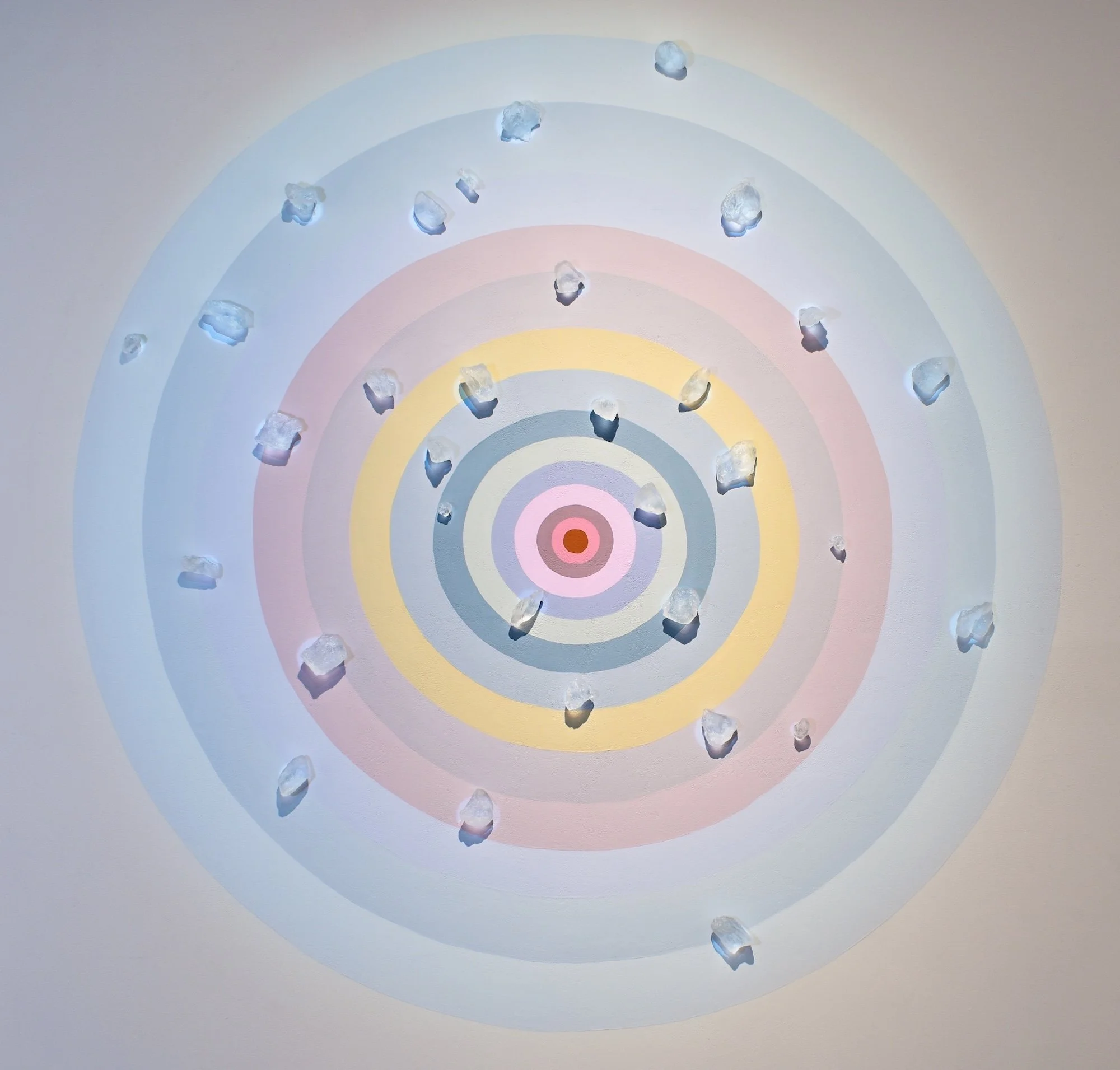
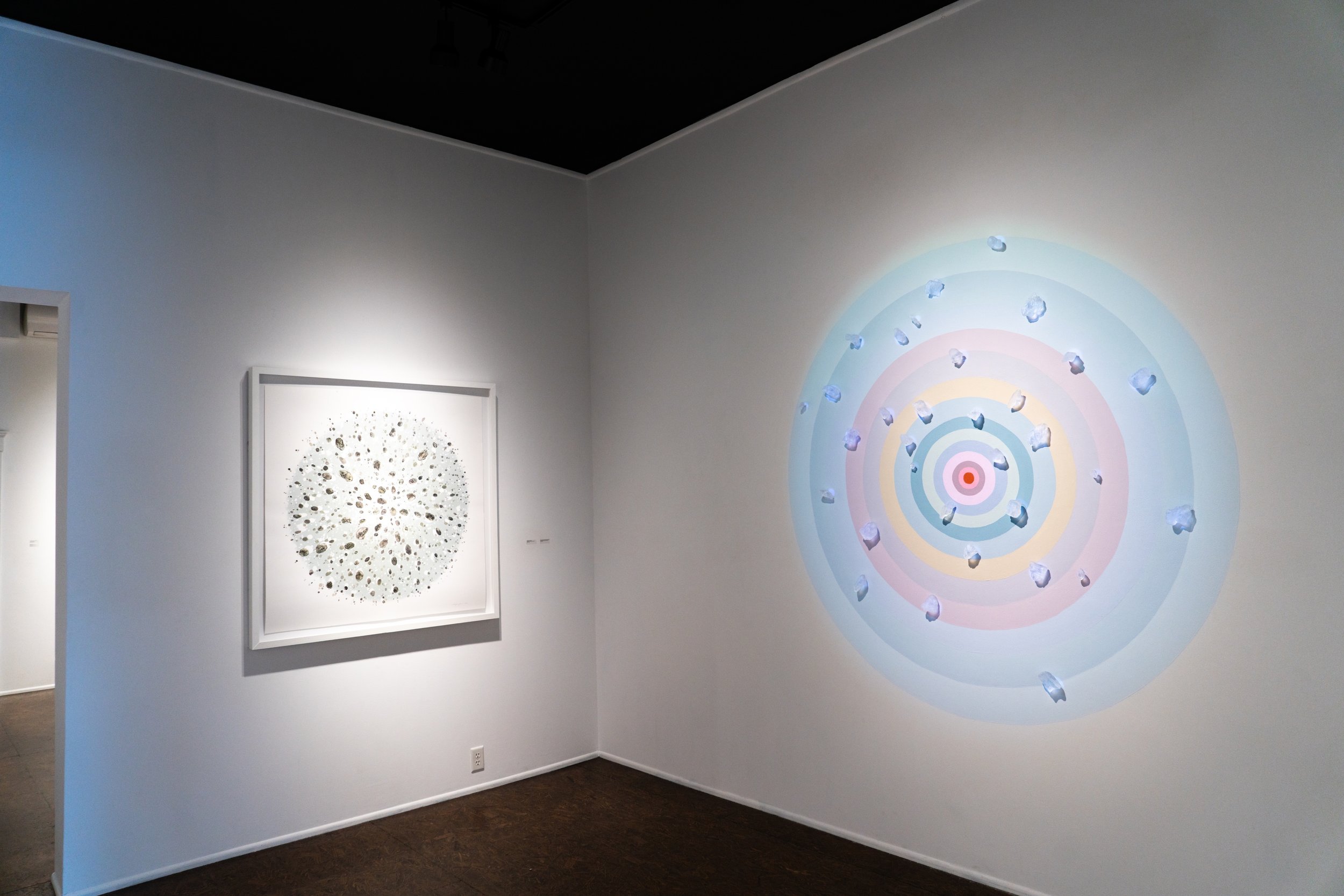
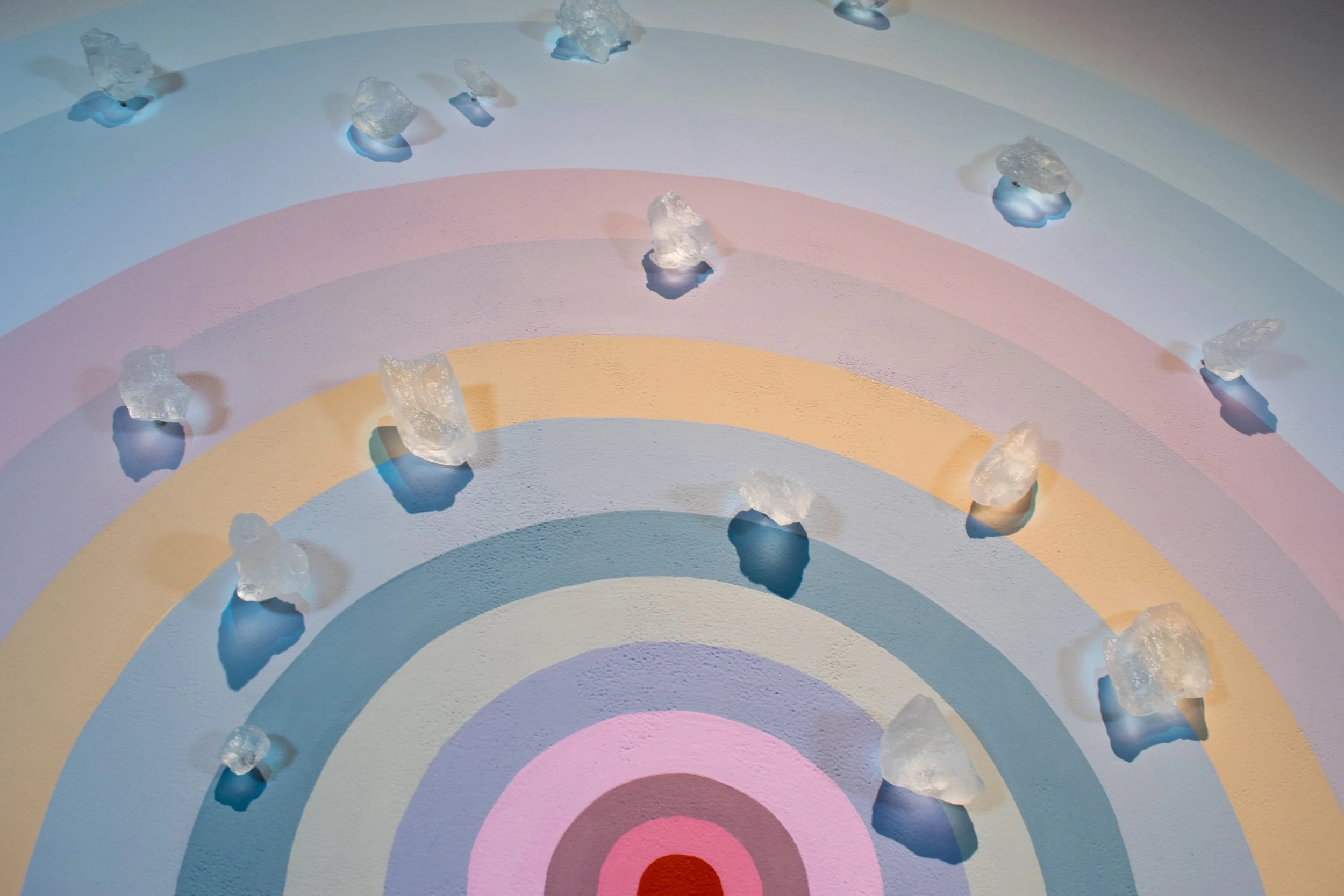
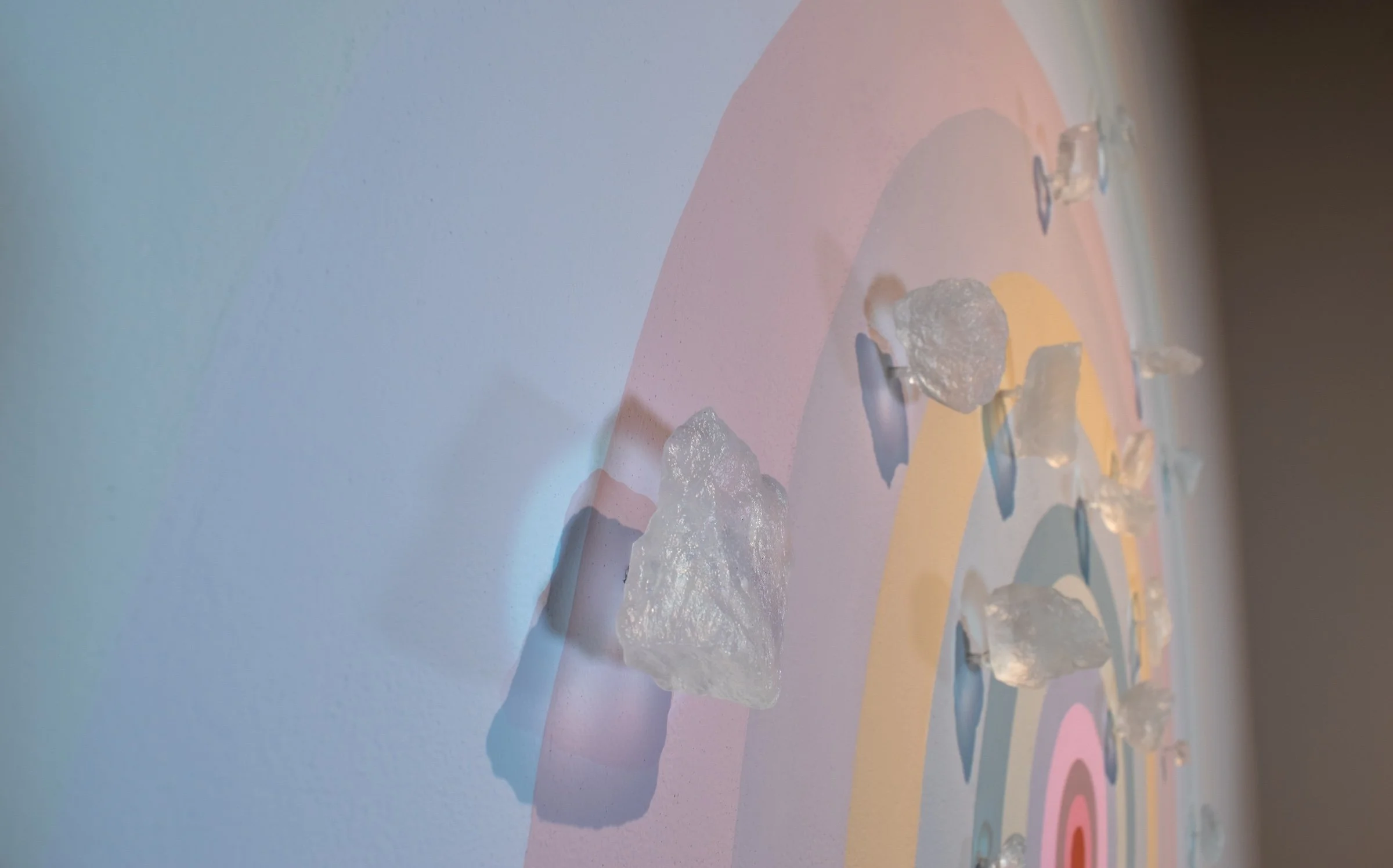
Does Not the Sun Shine for Us All? | Kiln cast glass, latex paint and projected light | 2026 | 72 x 72 x 3 inches
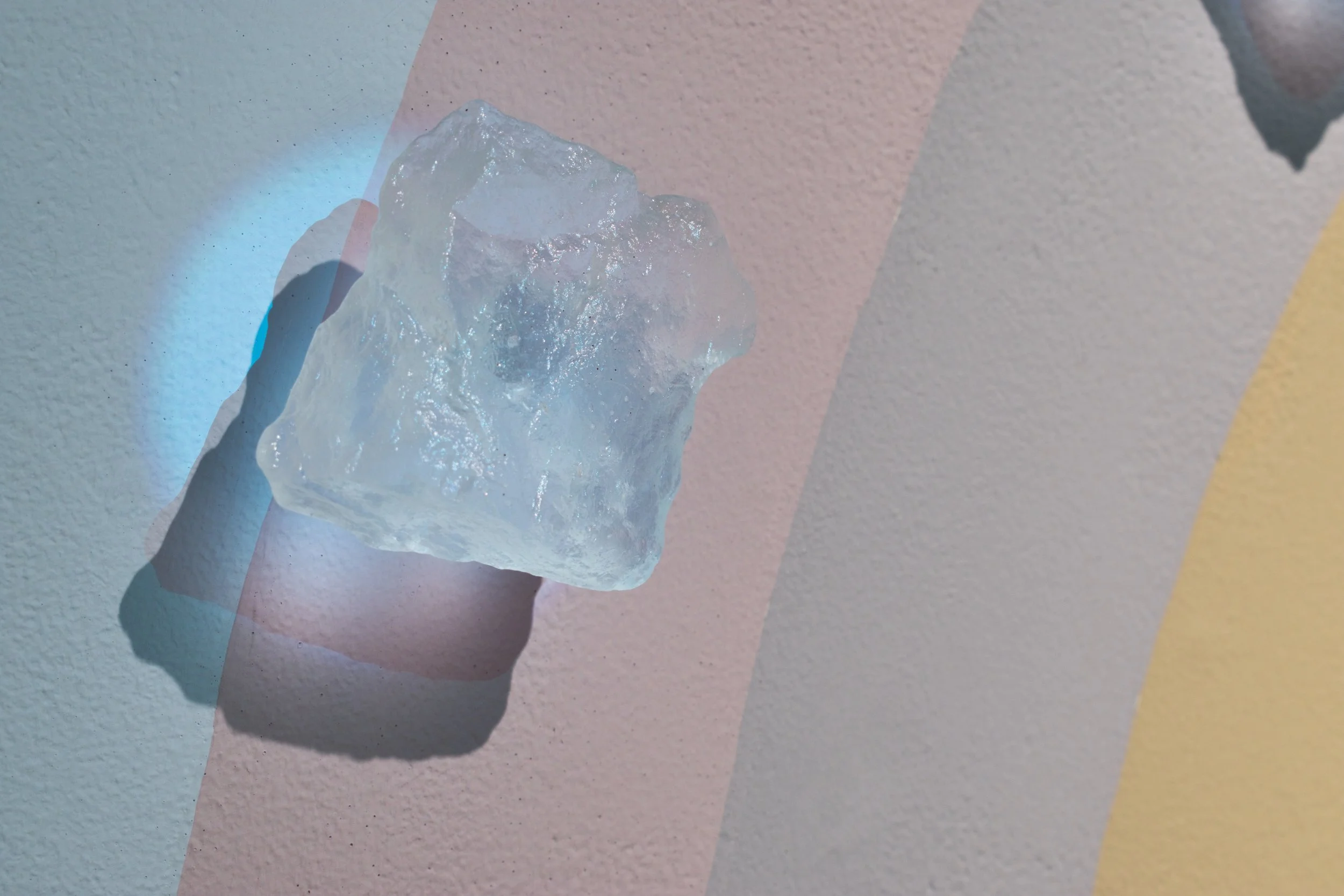
Does Not the Sun Shine for Us All? | Kiln cast glass, latex paint and projected light | 2026 | 72 x 72 x 3 inches
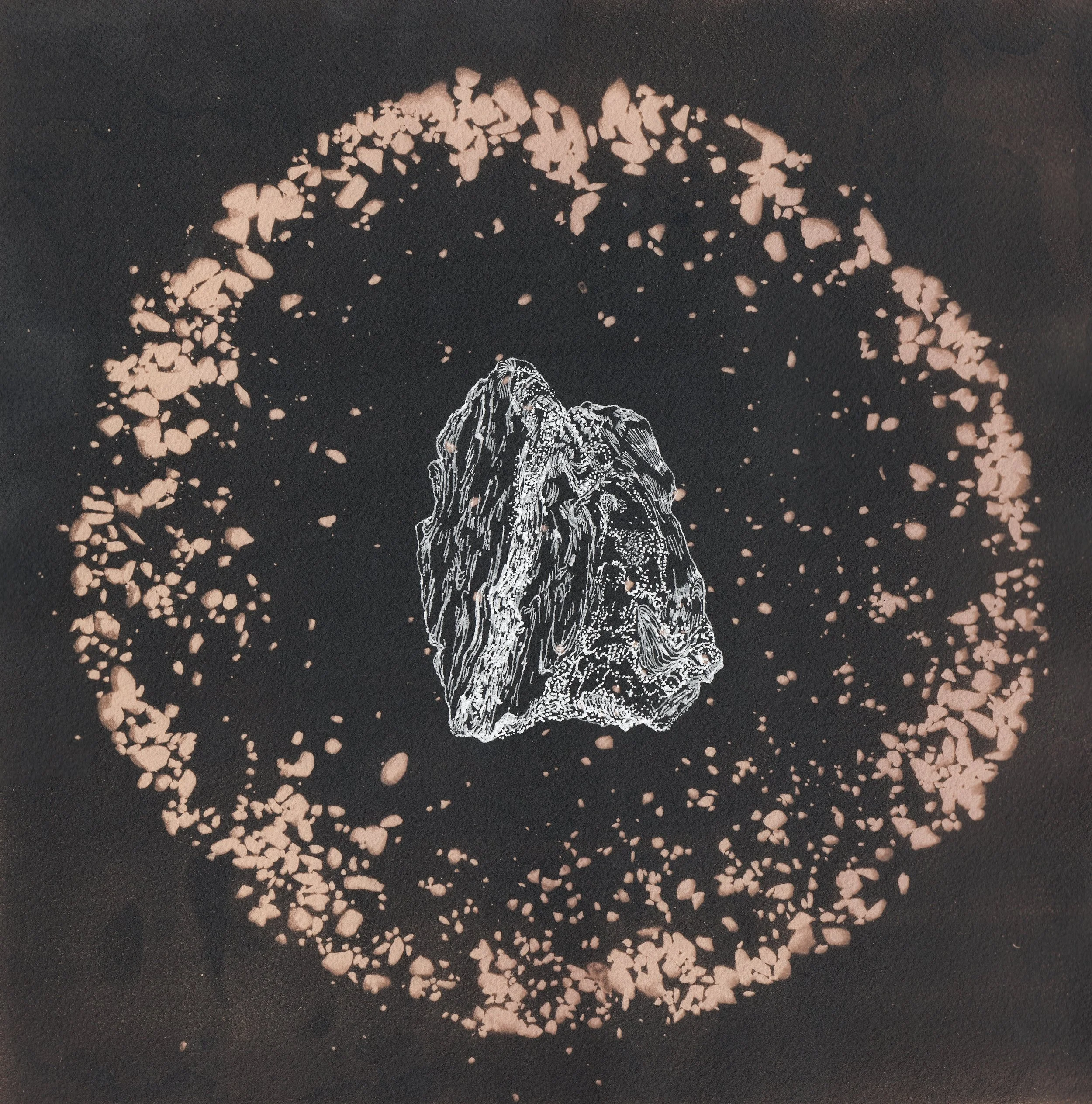
Orbital Bodies 3 | Toned cyanotype with ink on Arches | 2026 | 11.5 x 11.5"
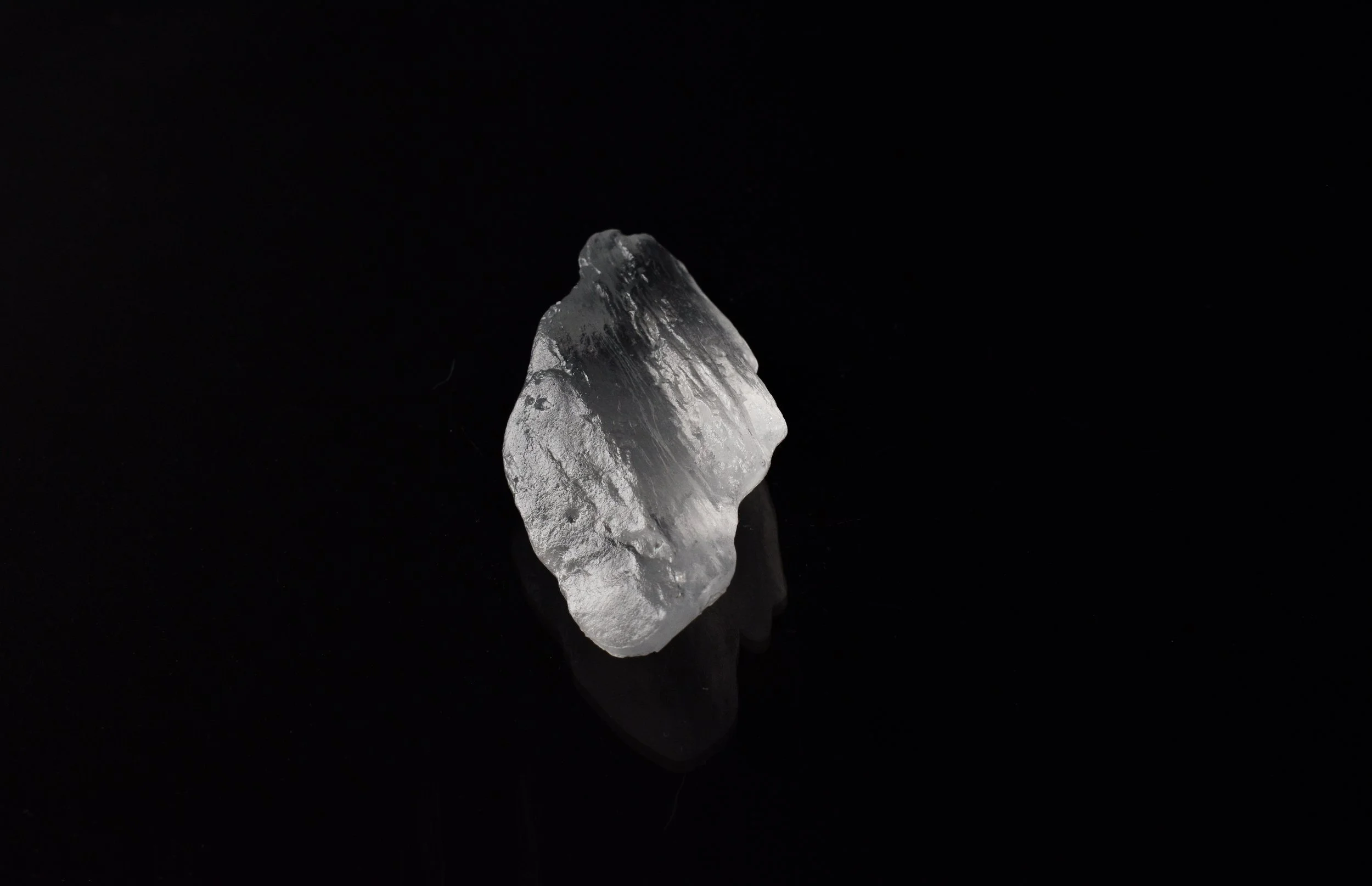
Kiln cast glass | 2026 | 2.75 x 2 x 1"
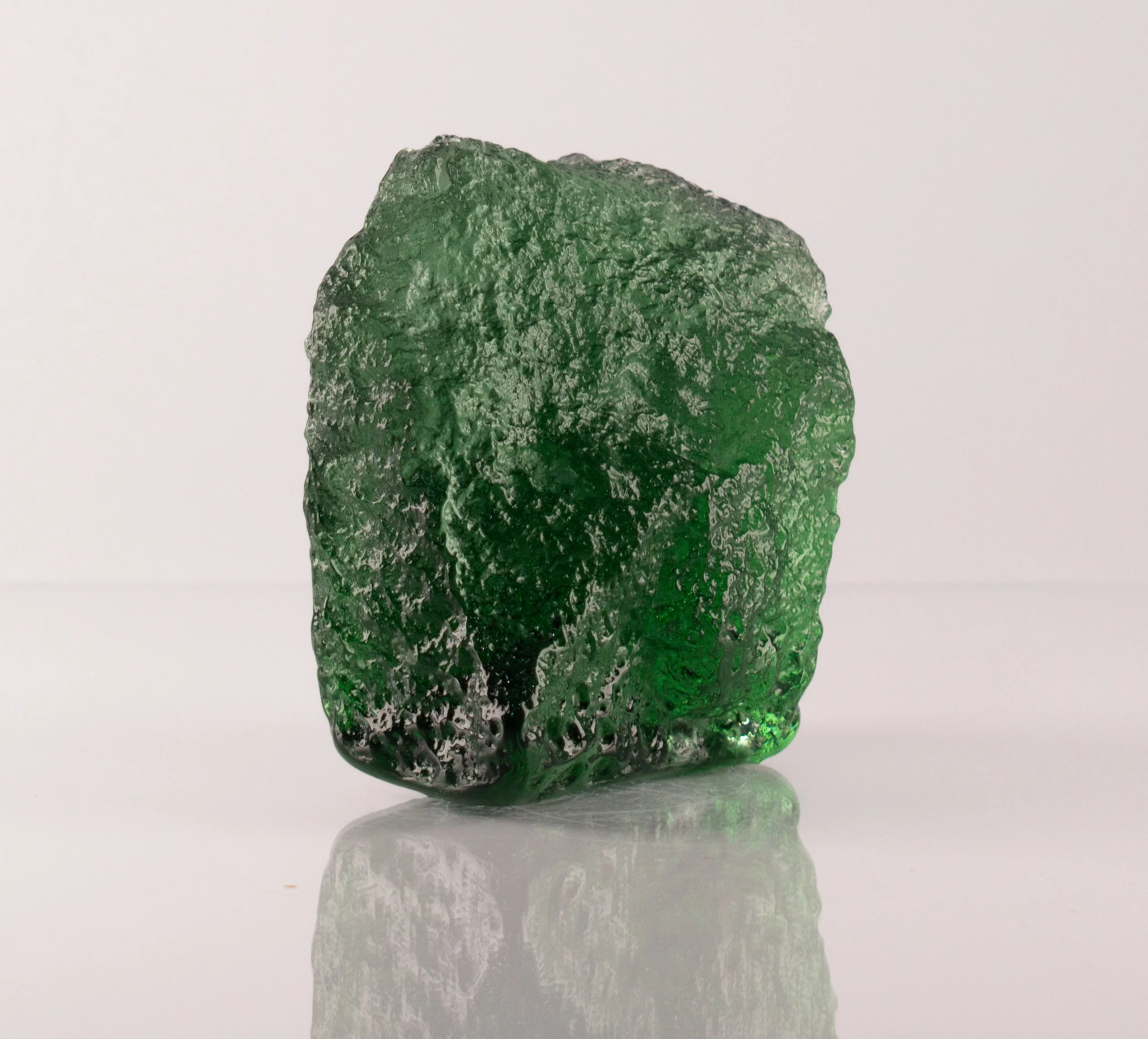
Ground Star 1 | Kiln cast glass | 2026 | 2.75 x 2.5 x 1.25"
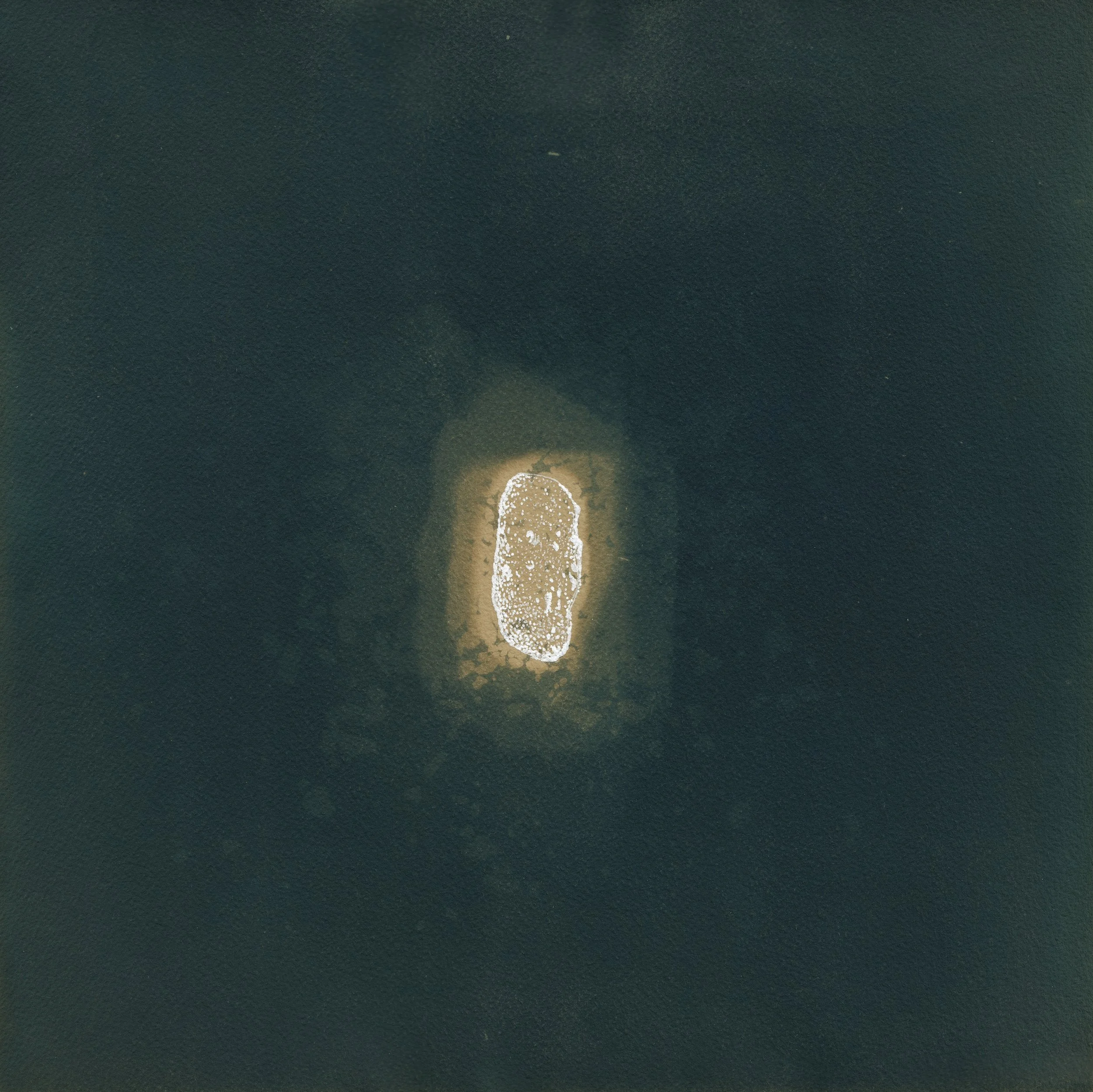
Orbital Bodies 11 | Toned cyanotype with ink on Arches | 2026 | 11.5 x 11.5"
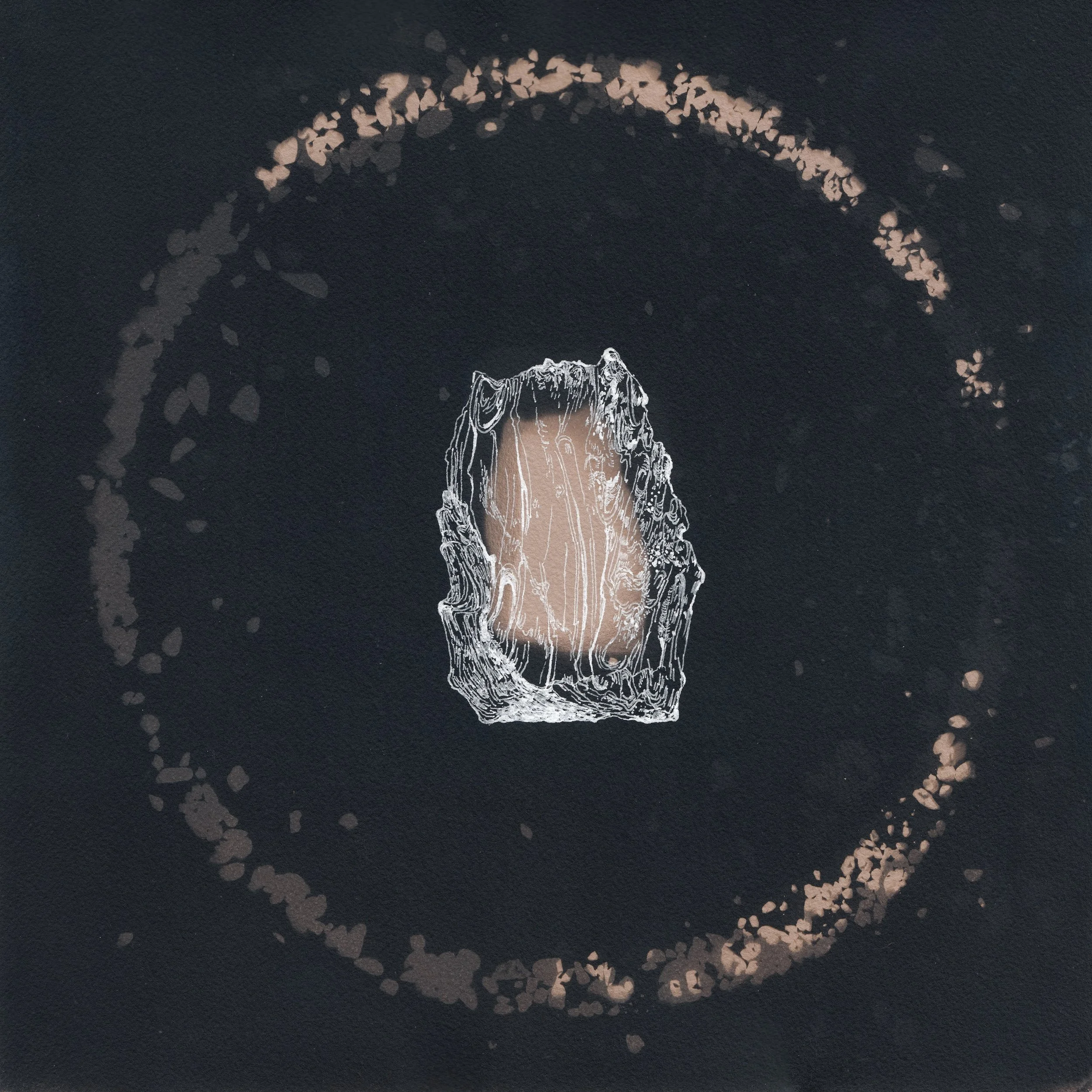
Orbital Bodies 12 | Toned cyanotype with ink on Arches | 2026 | 11.5 x 11.5"
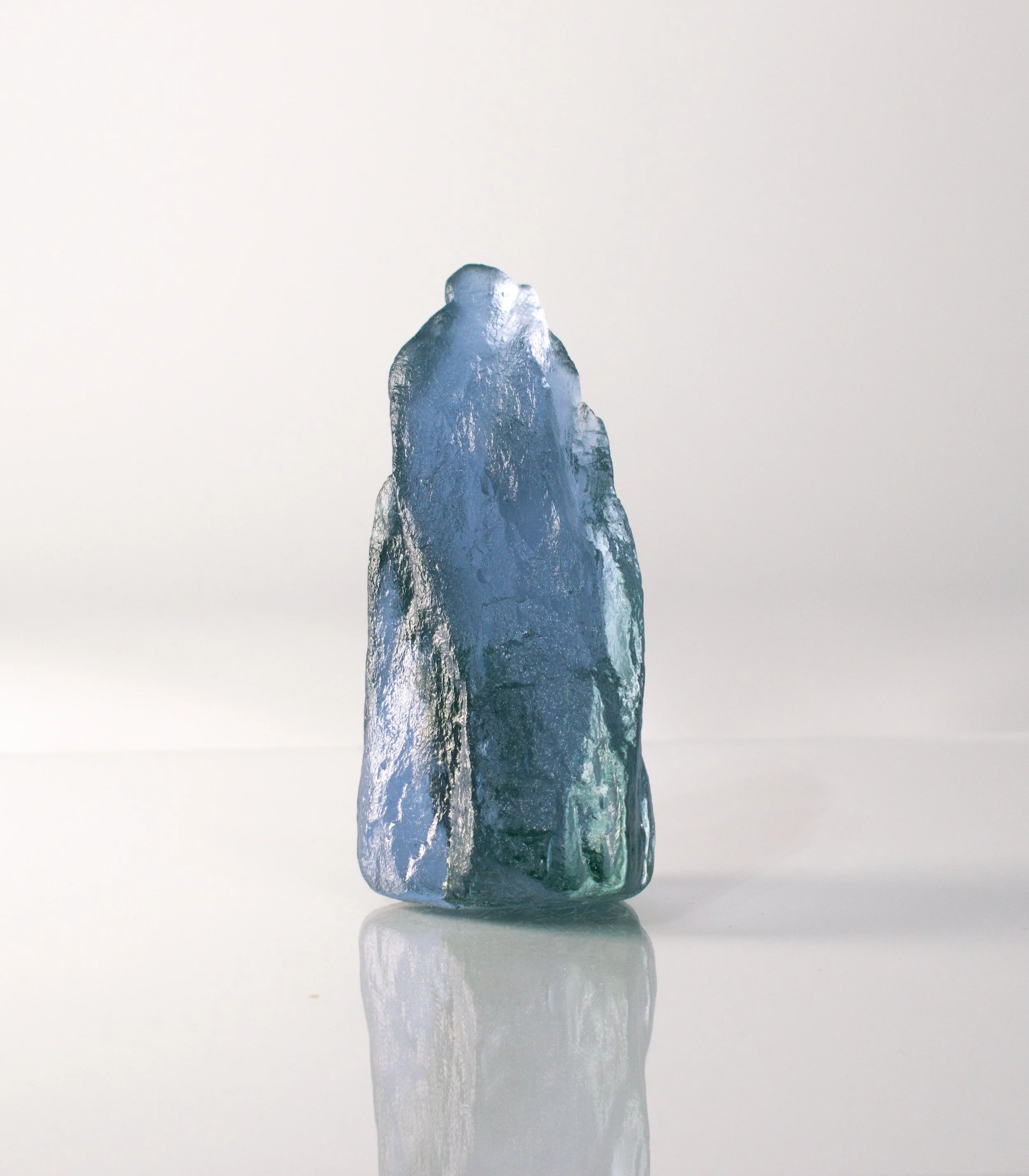
Ground Star 3 | Kiln cast glass | 2026 | 3.75 x 2 x 2"
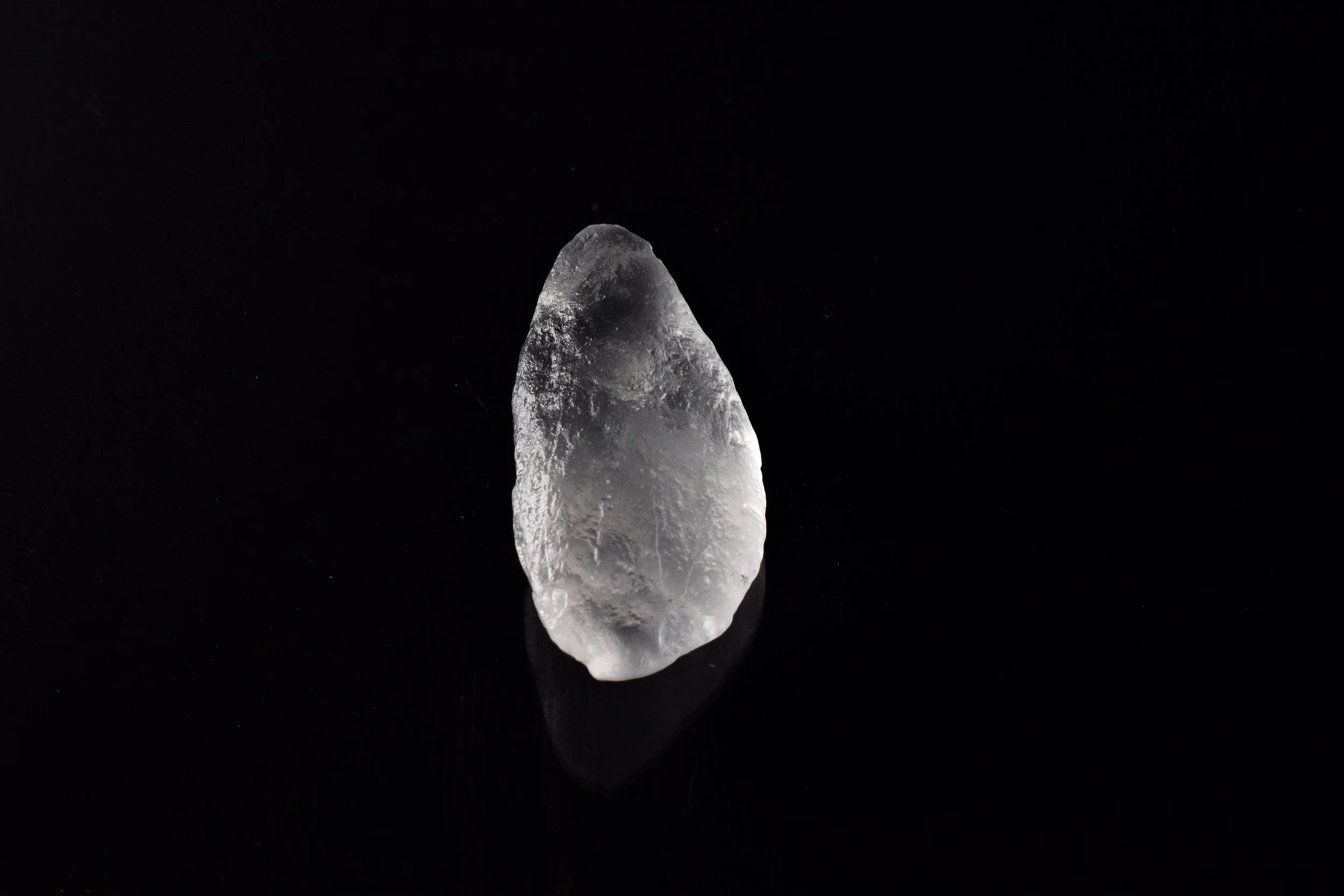
Kiln cast glass | 2026 | 3.25 x 1.75 x 1.25"
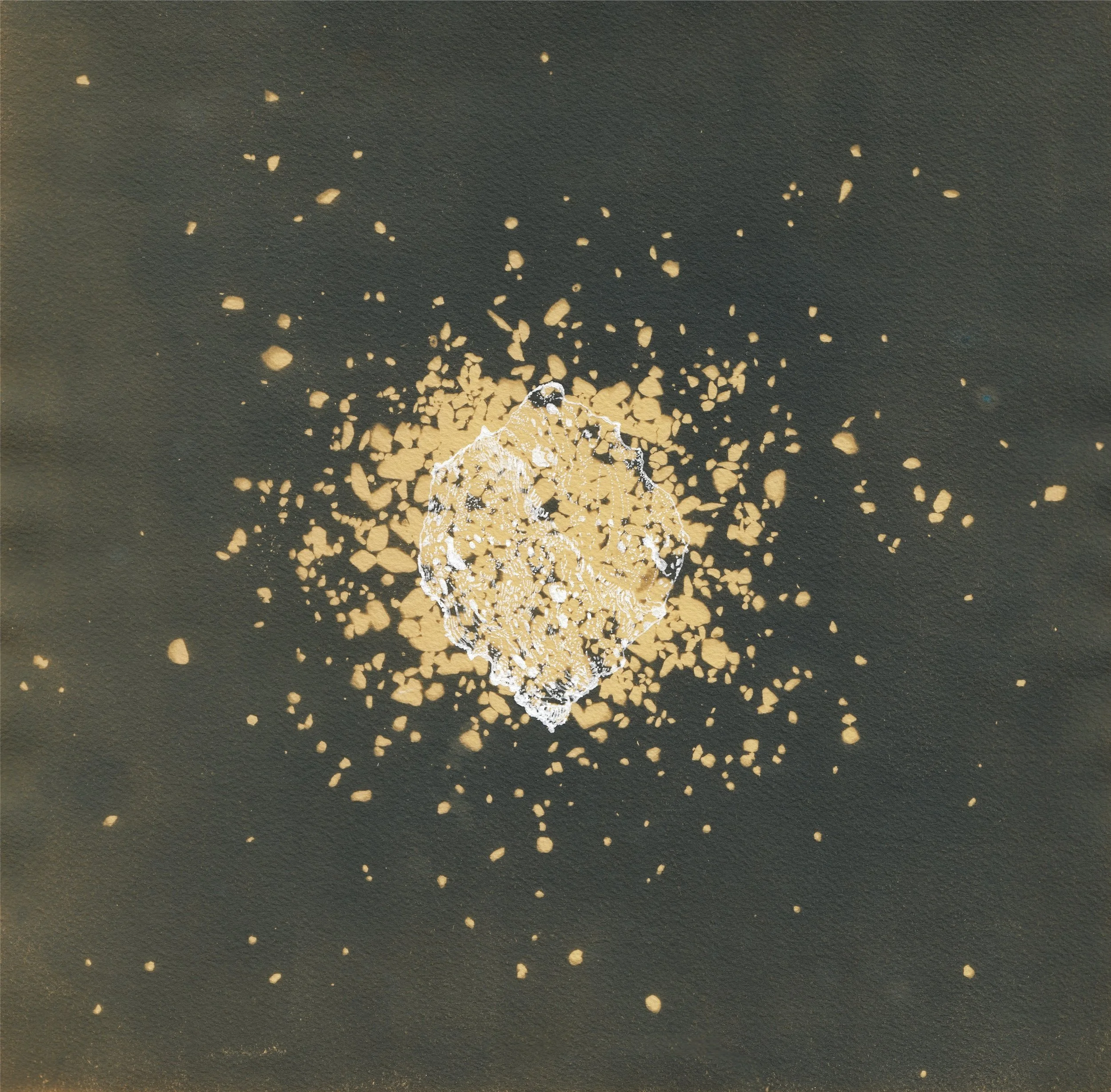
Orbital Bodies 4 | Toned cyanotype with ink on Arches | 2026 | 11.5 x 11.5"
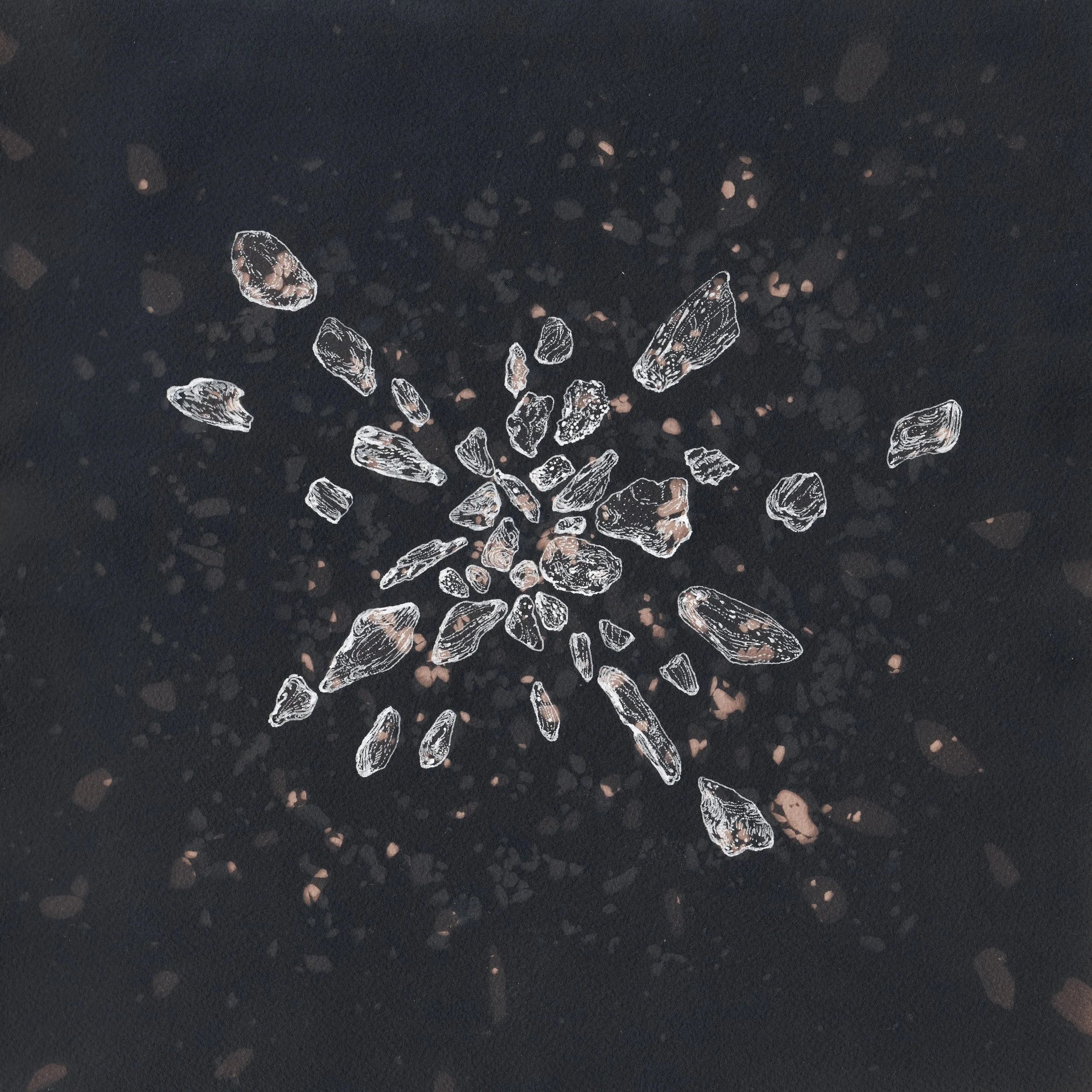
Orbital Bodies 5 | Toned cyanotype with ink on Arches | 2026 | 11.5 x 11.5"
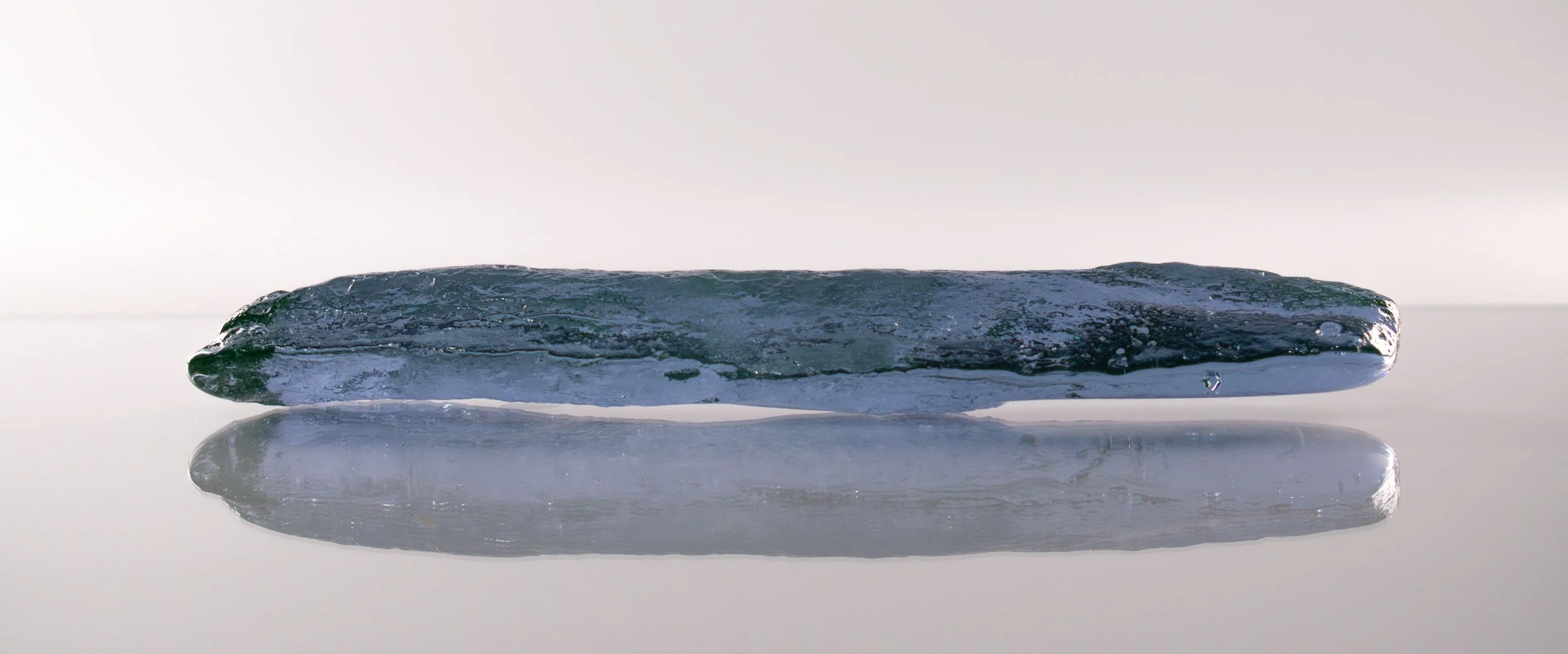
Ground Star 4 | Kiln cast glass | 2026 | .75 x 6.5 x 1.25"
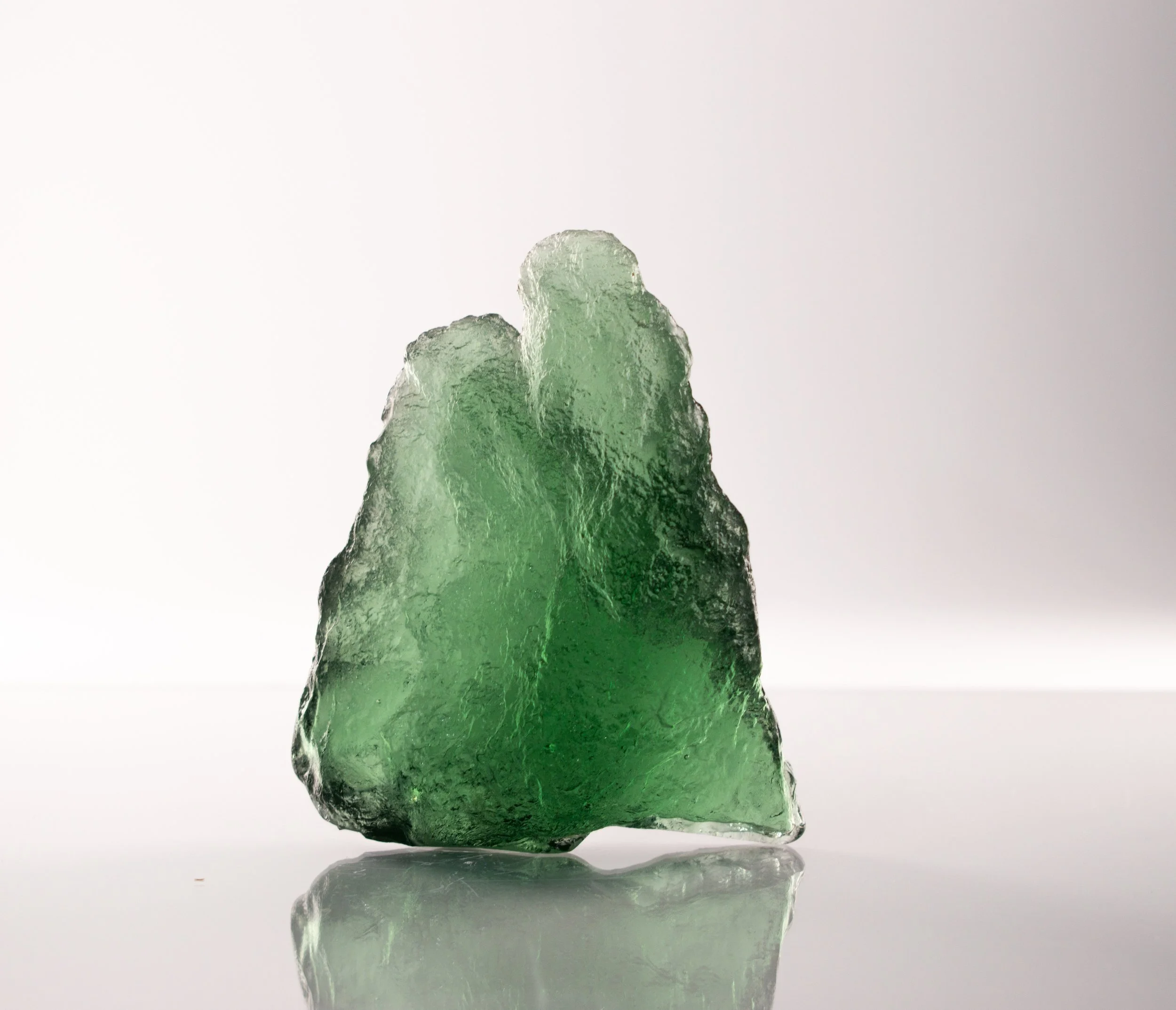
Ground Star 2 | Kiln cast glass | 2026 | 3.5 x 3 x 1.5"
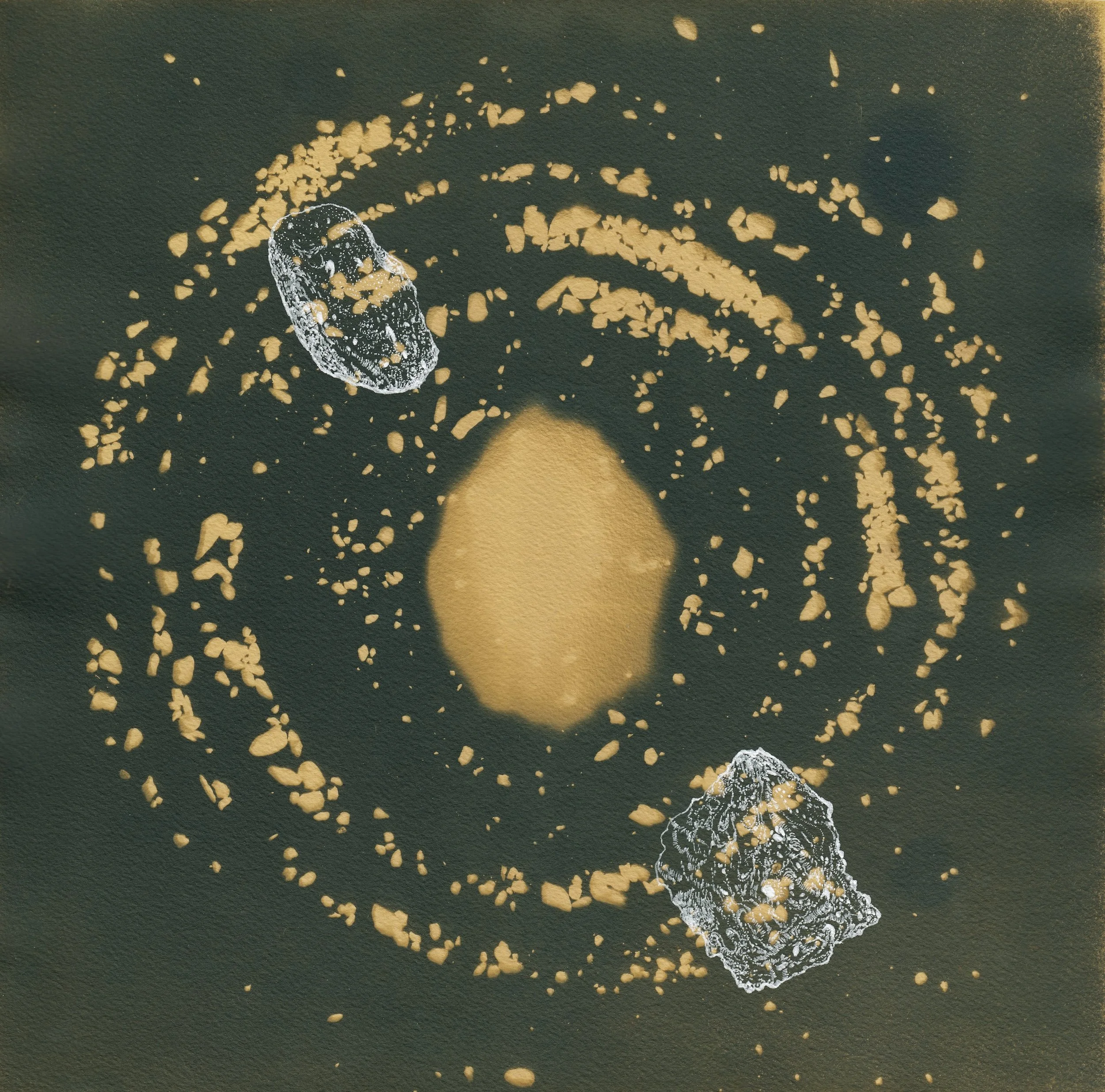
Orbital Bodies 2 | Toned cyanotype with ink on Arches | 2026 | 11.5 x 11.5"
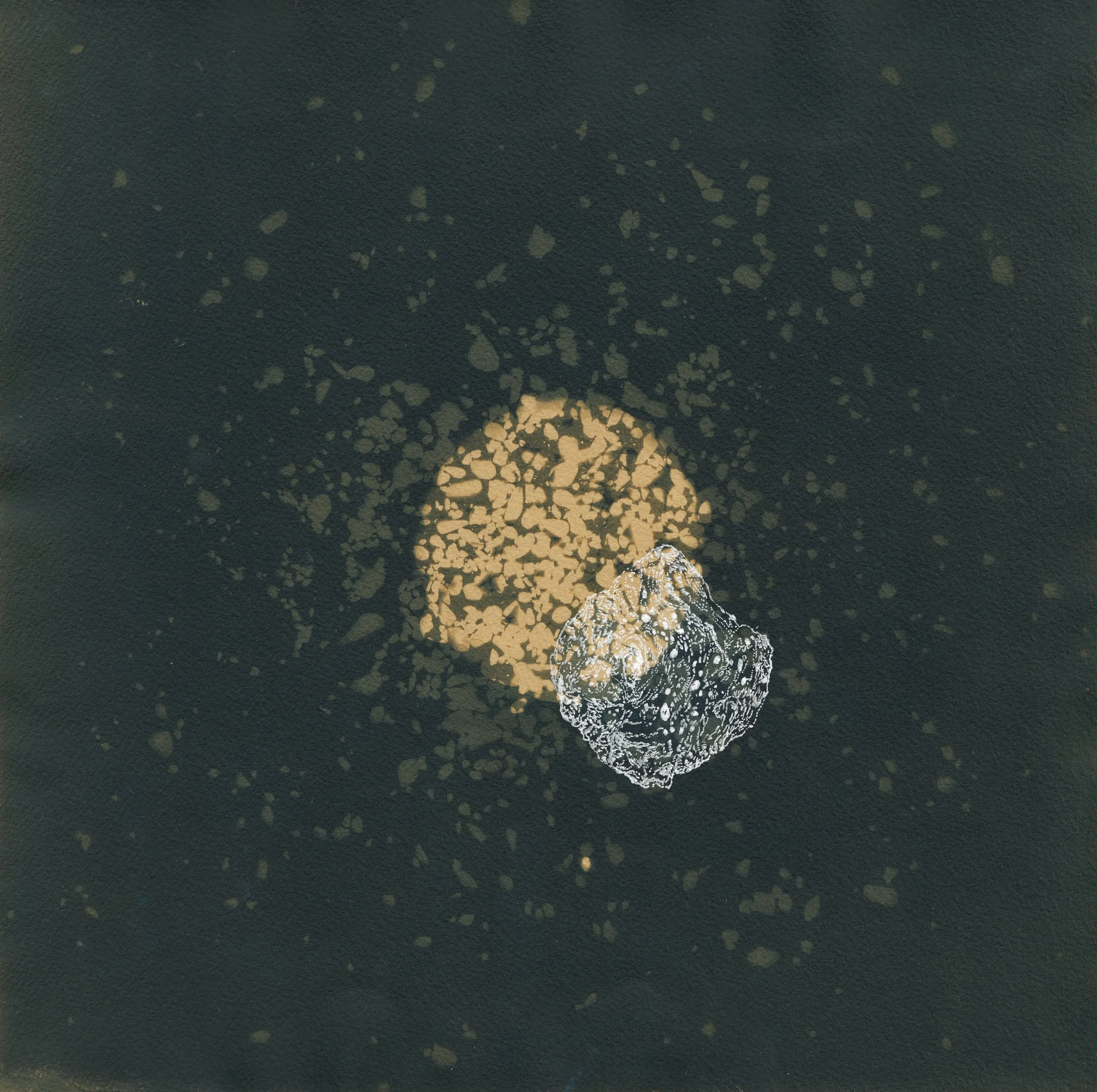
Orbital Bodies 6 | Toned cyanotype with ink on Arches | 2026 | 11.5 x 11.5"
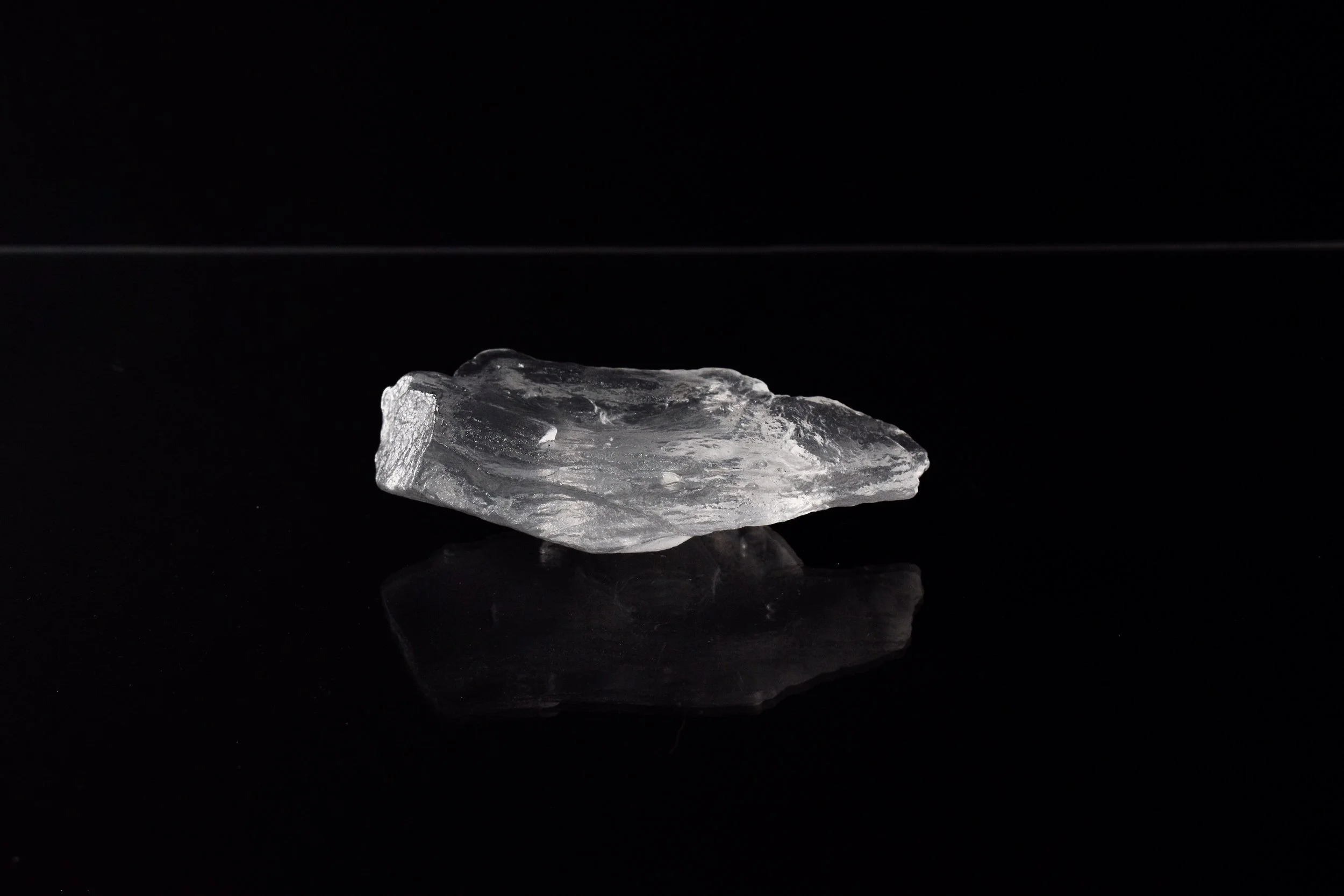
Kiln cast glass | 2026 | 3.5 x 2 x 1.5"
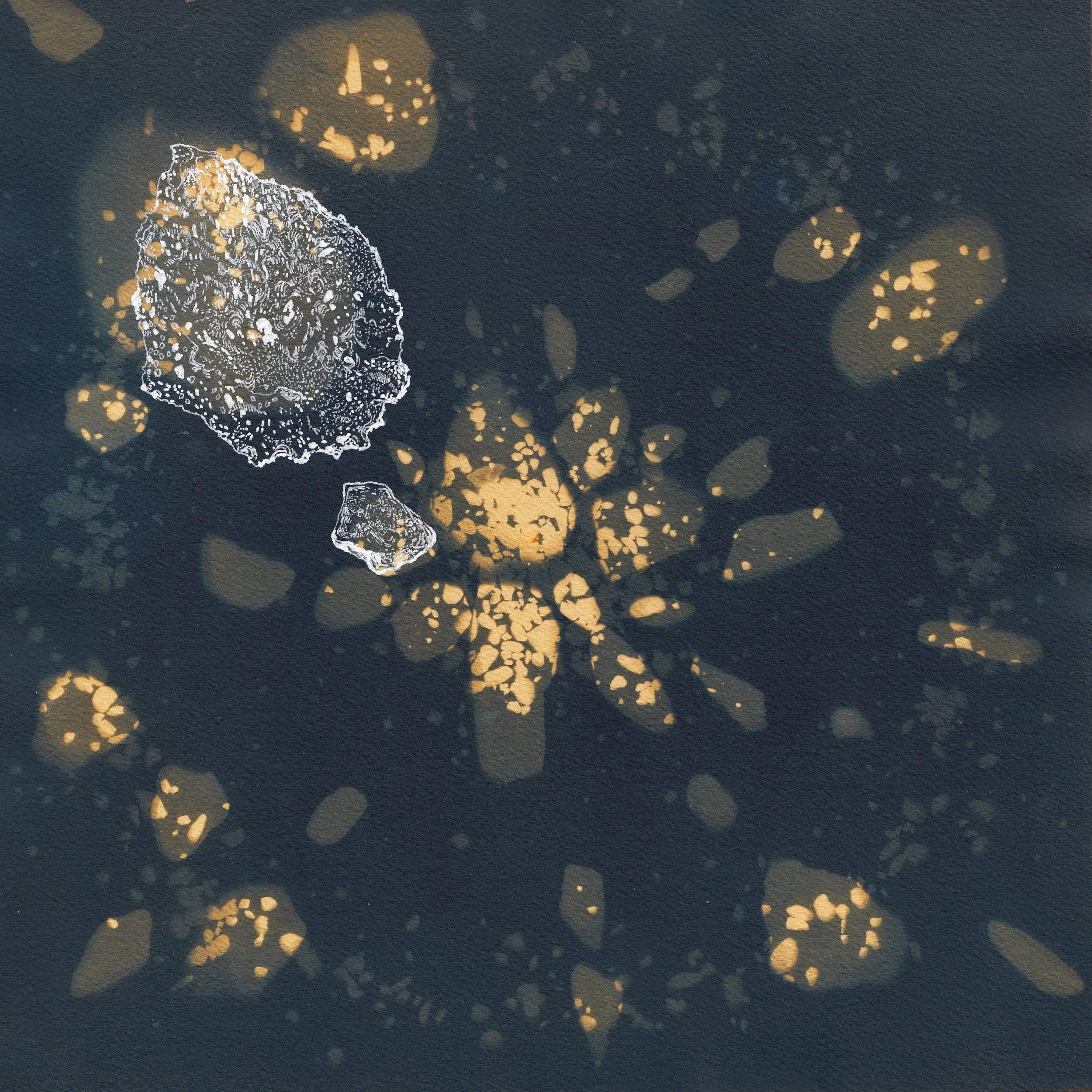
Orbital Bodies 1 | Toned cyanotype with ink on Arches | 2026 | 11.5 x 11.5"
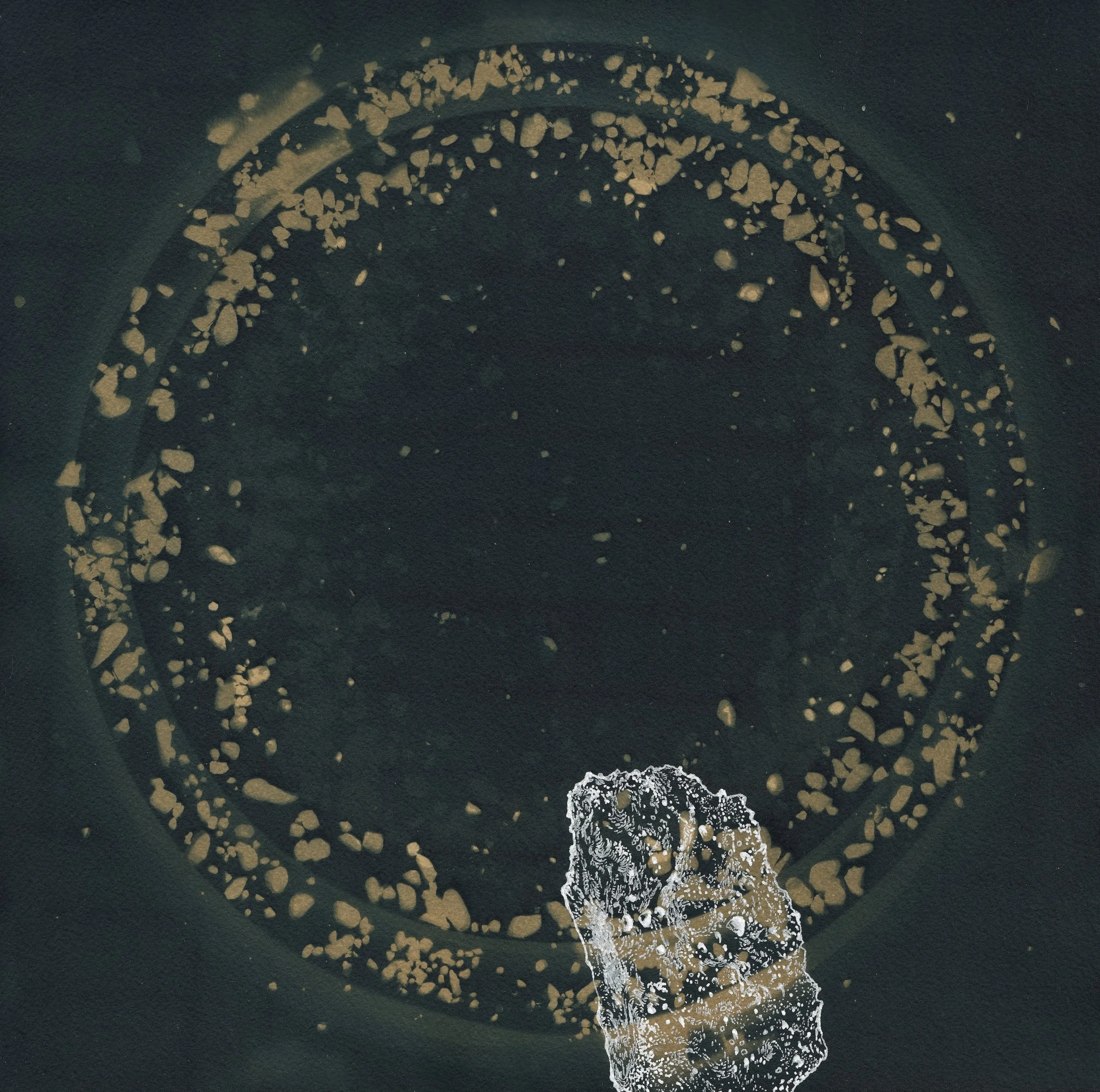
Orbital Bodies 9 | Toned cyanotype with ink on Arches | 2026 | 11.5 x 11.5"